

Sinus and Hay fever
People who do not suffer from
sinus problems often don’t understand what the fuss is all about. It’s just a runny nose, right? Nope – it’s much more than that. Hay fever and sinus-related maladies annually account for millions of lost working hours, school days and days of reduced productivity. In terms of the economy this is a big deal. Hay fever, also called allergic rhinitis, is the most prevalent chronic condition in the world, affecting an estimated 30% of the population.
There are two different kinds of hay fever, namely:
- Seasonal allergic rhinitis
. Seasonal allergic rhinitis, as its name suggests, is a seasonal condition. Individuals that suffer from this affliction are normally allergic to pollen and spores. They only seek sinus relief during summer and spring when these substances are most prevalent or during a high pollen count.- Perennial allergic rhinitis
. Individuals who display hay fever symptoms throughout the year are said to suffer from perennial allergic rhinitis. This indicates an allergy to things that are present in everyday life, like dust mites, furry animals, certain types of foods and household chemicals. This condition normally requires year-round allergy treatment.
Hay fever is characterized by some or all of the following symptoms:
- Sneezing and a runny/blocked nose.
- Coughing and a post-nasal drip.
- Itching eyes, nose, mouth and throat.
- ‘Allergic shiners’, dark circles under the eyes due to pressure on the sinuses.
- Watering and/or red-rimmed eyes.
- Wheezing and/or breathing difficulties.
Read More »
Sinus can be successfully we should take a look at what causes hay fever symptoms. These include:
- Grass pollen, the main culprit. It is estimated that 90% of people in Ireland that suffer from hay fever are allergic to grass pollen.
- Next up: tree pollen, with that from the birch tree being the most potent. Between 15 and 25% of Irish citizens who suffer from hay fever are allergic to birch pollen.
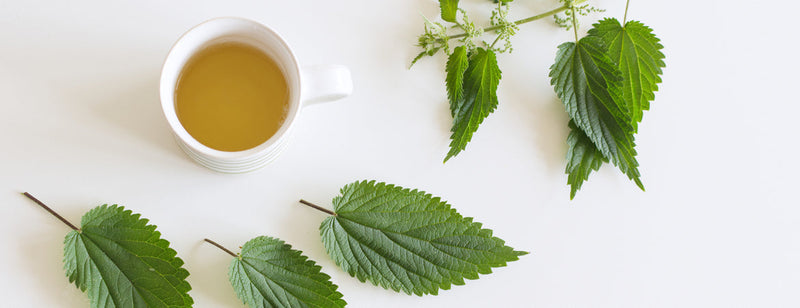
- Pollen from weeds like nettles and plantains.
- Plants that are wind-pollinated (e.g. the Daisy family).
- Spores and moulds.
The cause of hay fever differs from patient to patient. Some may be allergic to only one or two of the allergens, while others may feel the wrath of the whole platoon. In order to narrow it down before purchasing a
natural allergy remedy, you may want to think about keeping an ‘allergy diary’ in which you note down the date and time of day that you experience symptoms. Most spores and pollens are seasonal and knowing what time of the year you are affected can go a long way to identifying the correct culprit.
Physicians are quick to prescribe antihistamines and preventer treatments, but if you take the time to do some research, you will probably find that you can treat your hay fever symptoms in a much more natural manner. There are a variety of
natural nasal decongestants on the market today that are worth looking into. Why not browse our hay fever products? Who knows, you might just be able to wave your
sinus problems away.